See how structured learning in growing techniques, legal frameworks, funding access, and community building has enabled groups across Britain to establish and sustain thriving community gardens and allotments.
The following examples illustrate how different types of communities have applied RivenFlux education to overcome specific challenges. Each situation required different combinations of knowledge from our four core modules, demonstrating how integrated understanding creates successful outcomes.
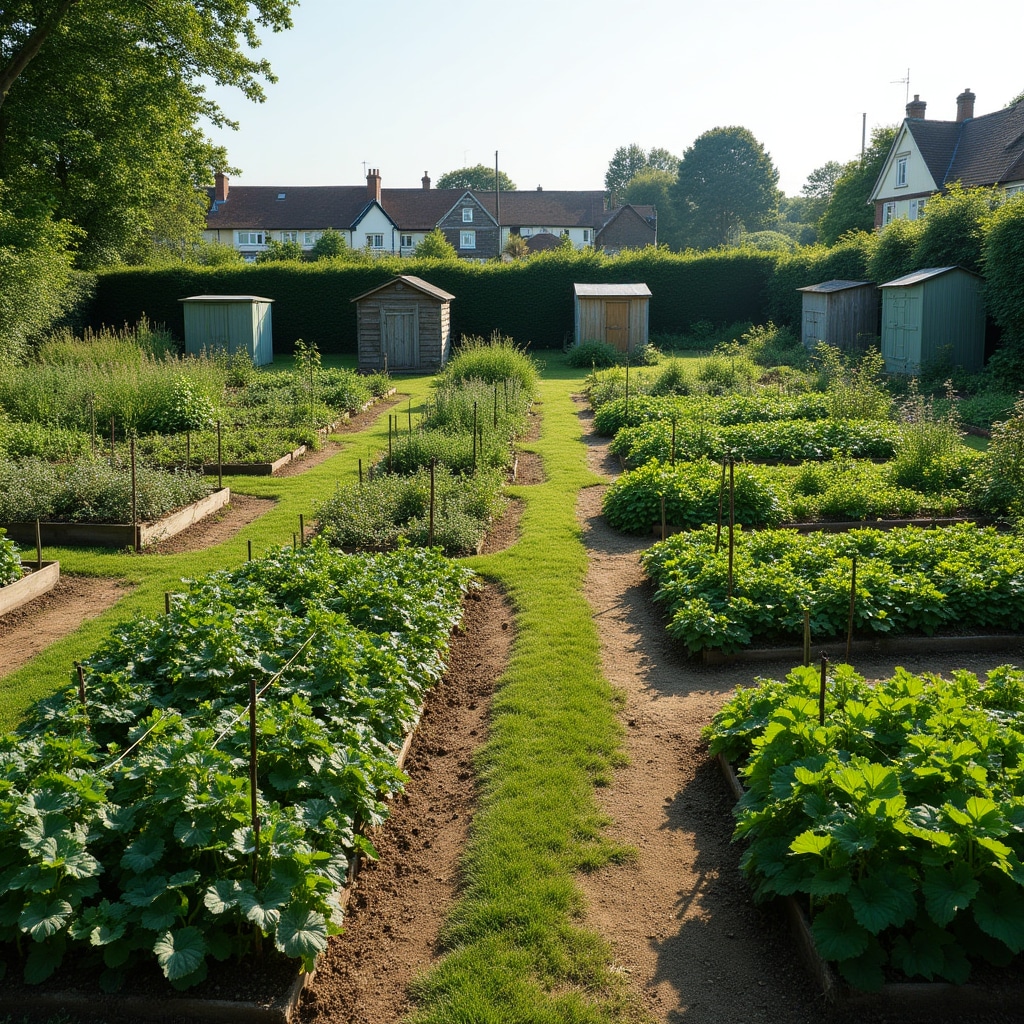
A group of residents in a northern town identified unused council land suitable for allotments. They needed to understand the legal process for establishing a formal association, negotiate with the council, and set up governance structures.
None of the founding members had experience with tenancy agreements, association governance, or formal council negotiations. They needed rapid knowledge acquisition to engage effectively with local authority officers.
The group focused on legal framework and community building modules. They learned about appropriate association structures, drafted a constitution using platform templates, and developed a proposal demonstrating community need. The grant navigation module helped them secure council funding for initial infrastructure.
The association secured a twenty-year lease on council land, established formal governance with elected committee, and obtained funding for water installation and tool storage. Within eighteen months, forty plots were allocated with a waiting list established.
An established community garden faced declining participation, unkempt communal areas, and conflicts between plot holders. The committee recognized that management approaches needed updating.
Long-standing members resisted changes to informal practices. Communication was inconsistent, with some members unaware of decisions. Shared growing areas were neglected as everyone focused on individual plots.
Committee members completed community building and cooperative growing modules. They implemented new communication systems, created shared work schedules for communal areas, and introduced social events. The legal framework module helped them update their constitution and clarify member responsibilities.
Participation increased as new structures created clearer expectations and better communication. Communal areas became productive again through coordinated work parties. Social events strengthened relationships and reduced conflicts.
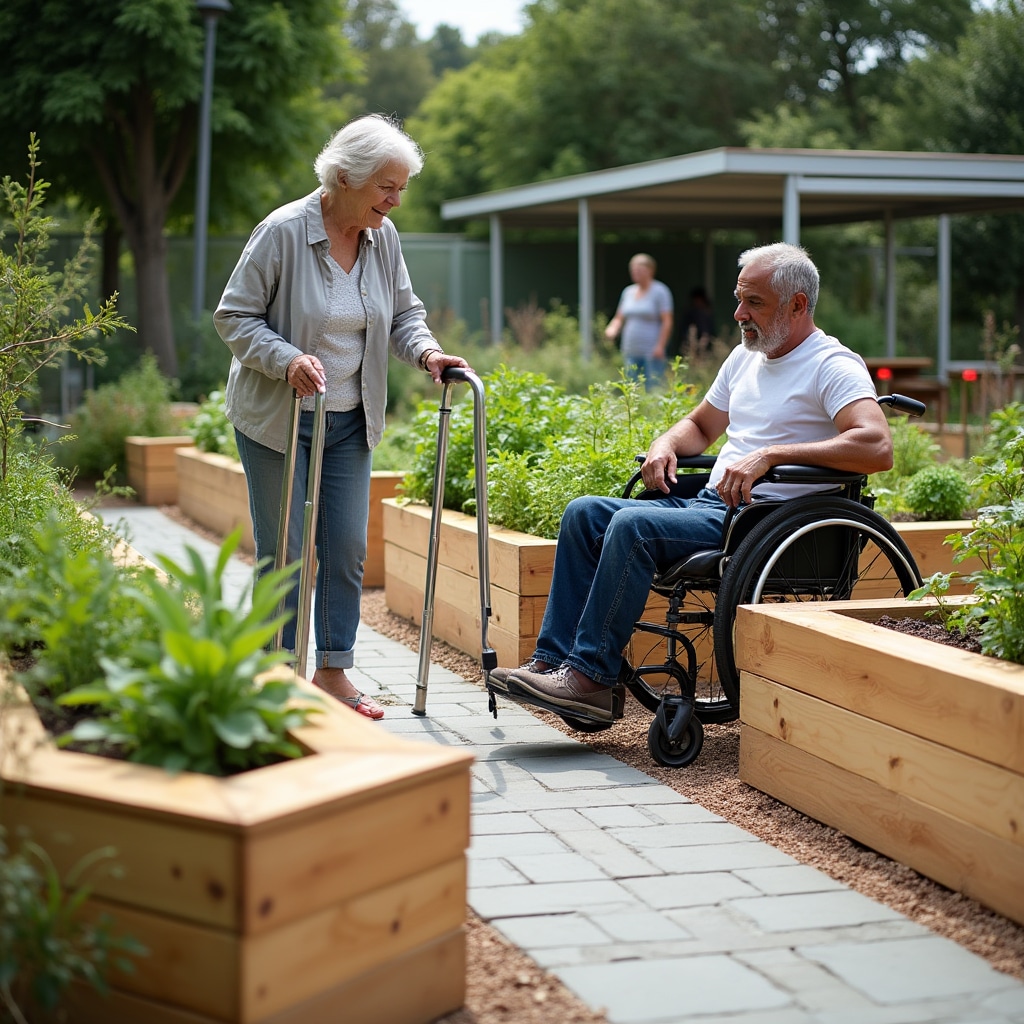
A housing association wanted to create an accessible community garden for residents including elderly and disabled members. They needed funding for raised beds, accessible pathways, and adapted tools.
Previous grant applications had been unsuccessful. Staff lacked experience in writing compelling proposals and demonstrating community benefit in ways that resonated with funders.
Staff completed the grant navigation module and worked through application development exercises. They learned to research funder priorities, gather strong supporting evidence, and present realistic budgets. The community building module helped them demonstrate genuine resident engagement in the planning process.
The housing association secured lottery funding covering accessible infrastructure, adapted tools, and initial horticultural training. The garden became a model for inclusive design, with other organizations visiting to learn from their approach.
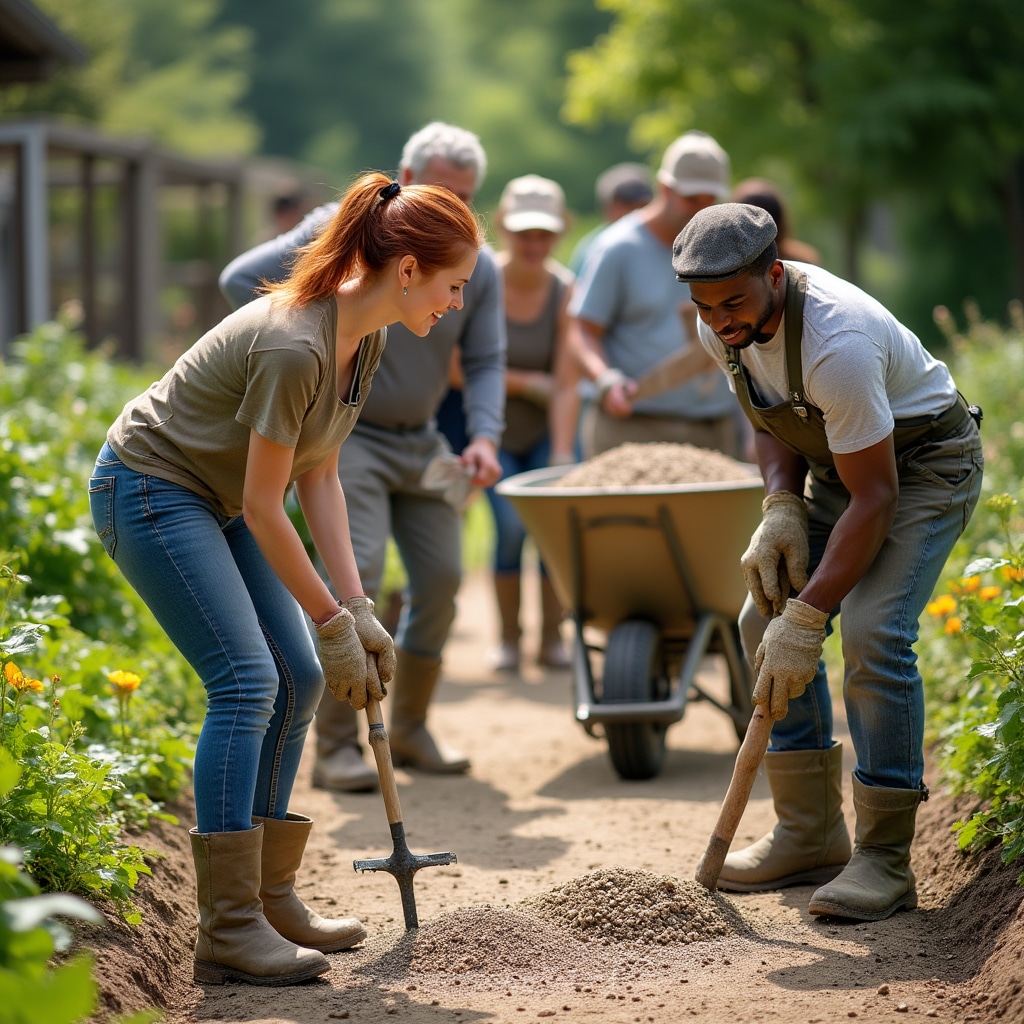
An allotment association had strong governance and community spirit but many newer members lacked growing experience. Plot productivity varied widely, with some struggling while others thrived.
Experienced growers were generous with advice but lacked structured teaching approaches. New members felt overwhelmed by contradictory suggestions and didn't know where to start.
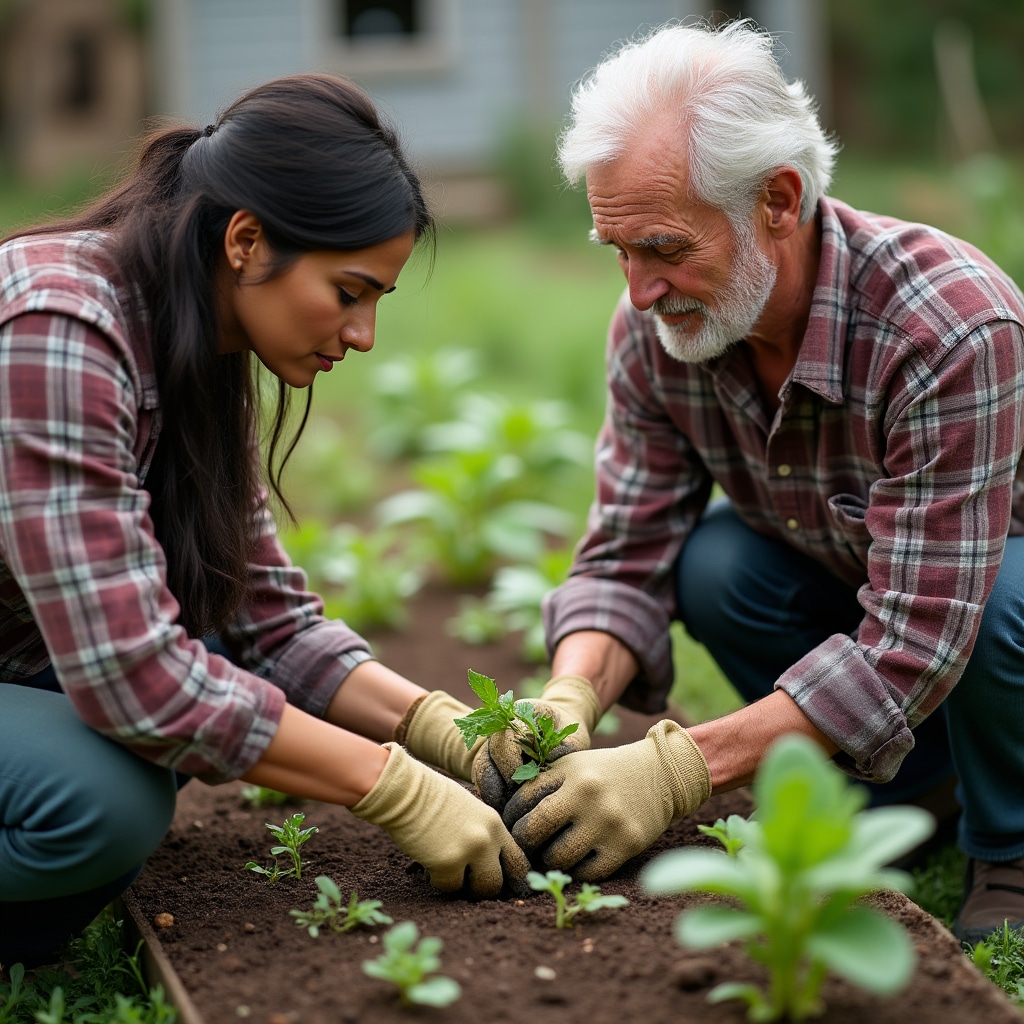
The association purchased group access to the cooperative growing module. They used video content and downloadable resources to create structured mentoring programme, with experienced members guiding newcomers through seasonal tasks using platform materials as reference.
New member retention improved significantly as people gained confidence through structured learning. The mentoring programme became a key feature of the association, with waiting list members attending workshops before plot allocation.
Allotment associations, community garden projects, housing association initiatives, and environmental groups across England, Scotland, and Wales access our education platform.
Individuals combine modules based on their roles, whether committee members needing governance knowledge, grant writers seeking funding skills, or gardeners developing horticultural expertise.
Templates, checklists, planting calendars, and reference guides downloaded and adapted by communities for their specific contexts and regional conditions.
Discussion forums connect learners facing similar challenges, enabling knowledge sharing and peer support across Britain's community growing movement.
Communities transforming derelict land in city neighbourhoods use our courses to understand site assessment, secure permissions, engage diverse residents, and create inclusive growing spaces that strengthen local identity.
Smaller communities maintaining traditional allotment sites apply our governance and legal modules to modernize management approaches while preserving local character and ensuring sustainability through succession planning.
Community gardens developing relationships with local schools use our education to create structured programmes, manage safeguarding requirements, and design activities that complement curriculum while building intergenerational connections.
Projects supporting mental health and wellbeing through gardening combine our horticultural and community building modules with specialized therapeutic approaches, creating safe and supportive growing environments.
Housing association and council estate projects use our platform to navigate complex stakeholder relationships, secure internal approvals, and build resident ownership of shared spaces.
Religious organizations creating community growing spaces on their land apply our courses to welcome wider neighbourhood participation, manage interfaith engagement, and connect growing with spiritual and social missions.
Explore how our education platform can support your specific context and challenges.
Discuss Your Needs